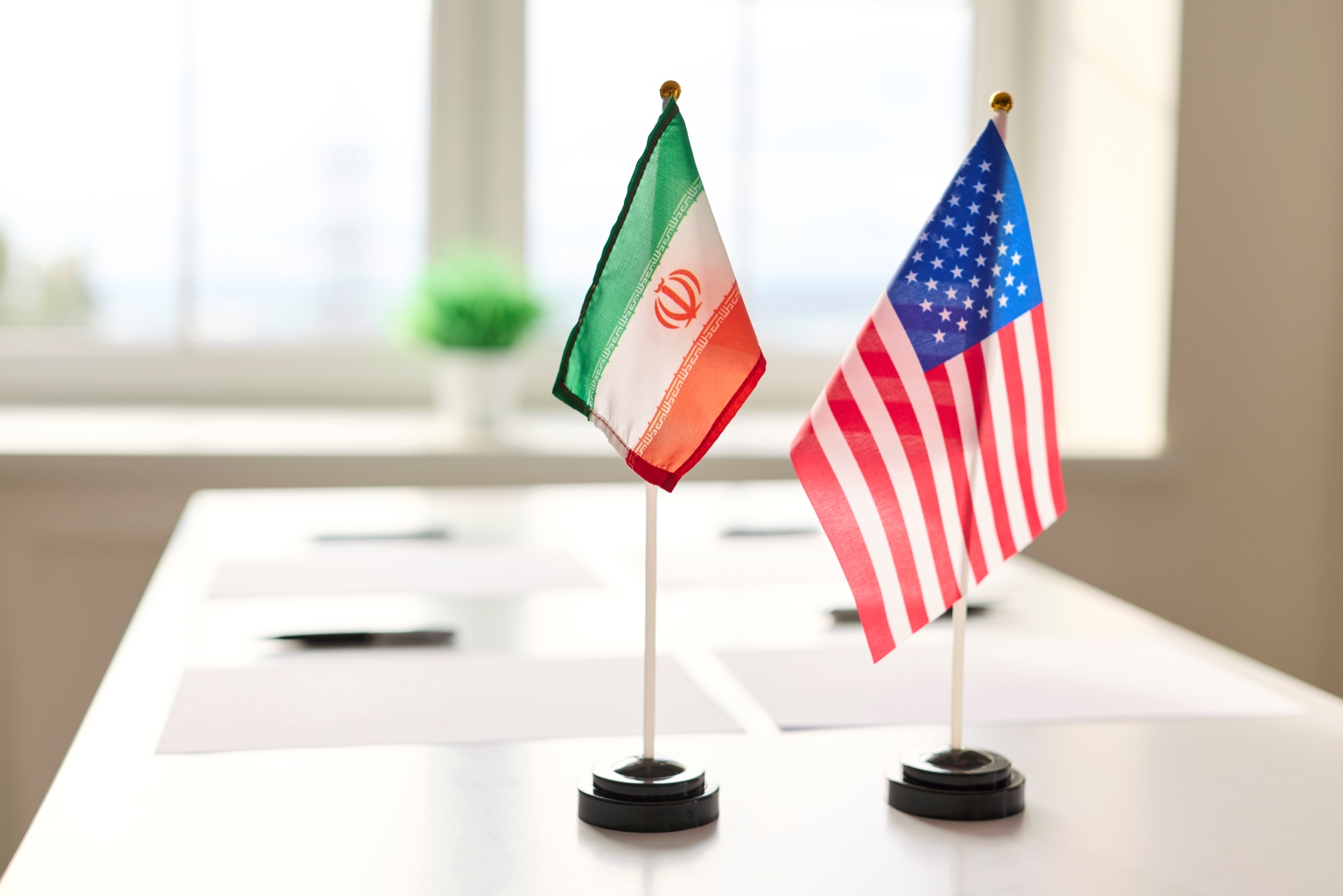


‘America First’ or rules-based global economic governance: A false dichotomy
‘America First’ and rules-based global economic governance need not be in conflict, Zia Qureshi and Janina Curtis Bröker explain.
Institutional research & analysis
RESEARCH

‘America First’ and rules-based global economic governance need not be in conflict, Zia Qureshi and Janina Curtis Bröker explain.

Kendall Trelegan, Laura Martinez, and Caren Grown review 97 national plans to shows how to make care visible in climate resilience.

What really balanced the federal budget in the late 1990s? Jessica Riedl examines the economic and political forces behind the surpluses.

Isabel McMullen and Taylor Odle find Advise TN boosted college going by 4 points via expert, high-intensity advising.

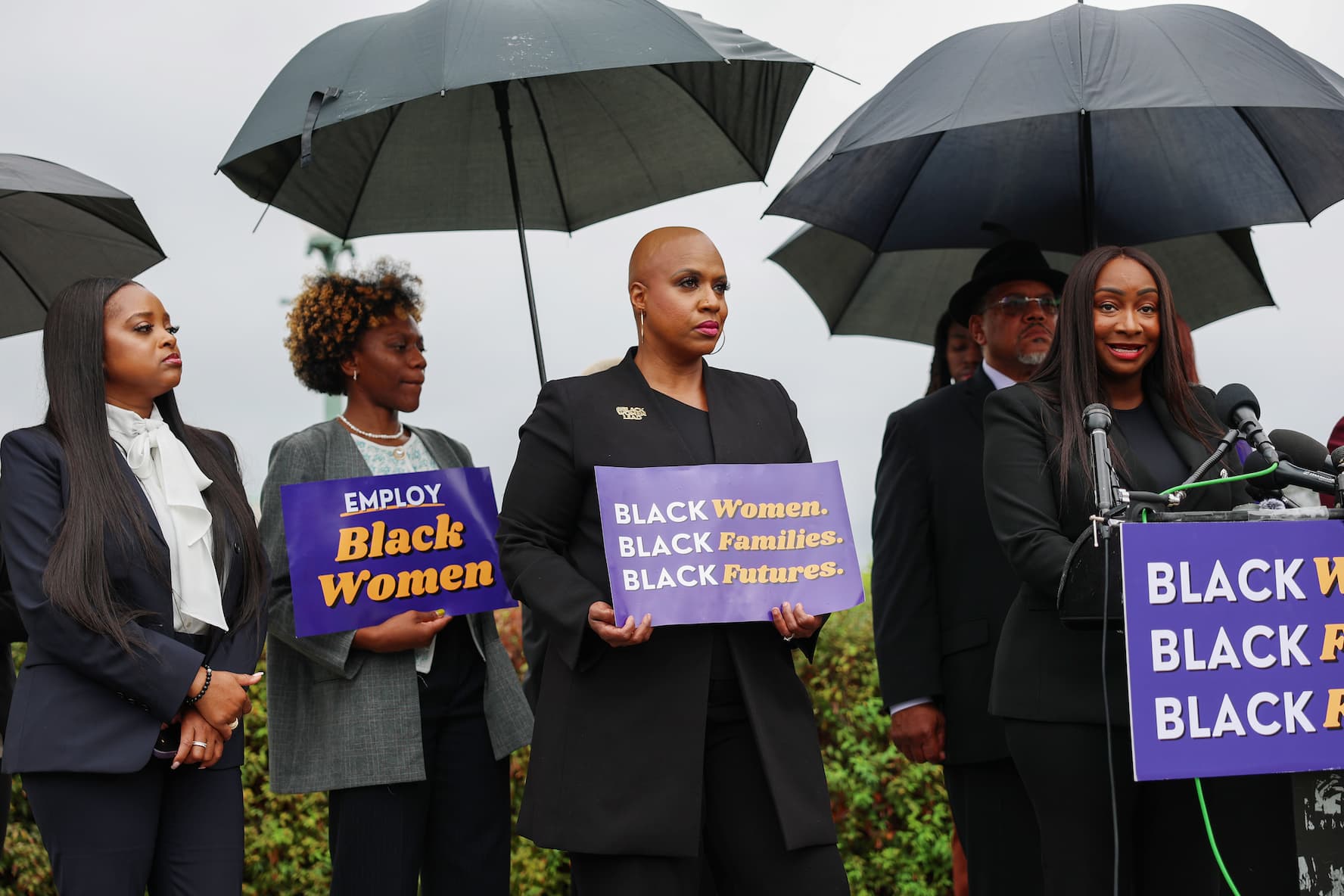
Keesha Middlemass examines how rising unemployment, caregiving burdens, and policy shifts are pushing Black women out of the labor force.

With the proper metrics and infrastructure, data can enhance community-engaged, evidence-based policymaking to improve well-being.

Landry Signé explores the evolution of the agenda-setting literature and provides policymakers with a practical framework for policy agenda management.

Washington can’t reverse or control the consequences of losing the war in Iran.

Ugo Gentilini discusses why subsidies dominate crisis responses to high energy prices and social protection for an era of persistent volatility.

The United States and China can continue to compete vigorously in AI while taking practical steps to reduce shared risks.

Zaynab Gates demonstrates how Indigenous women teachers are key actors and critical agents of cultural transmission and change.

Sweta Shah and Juanita Morales unpack a case study in enhancing early childhood development from Addis Ababa, Ethiopia.